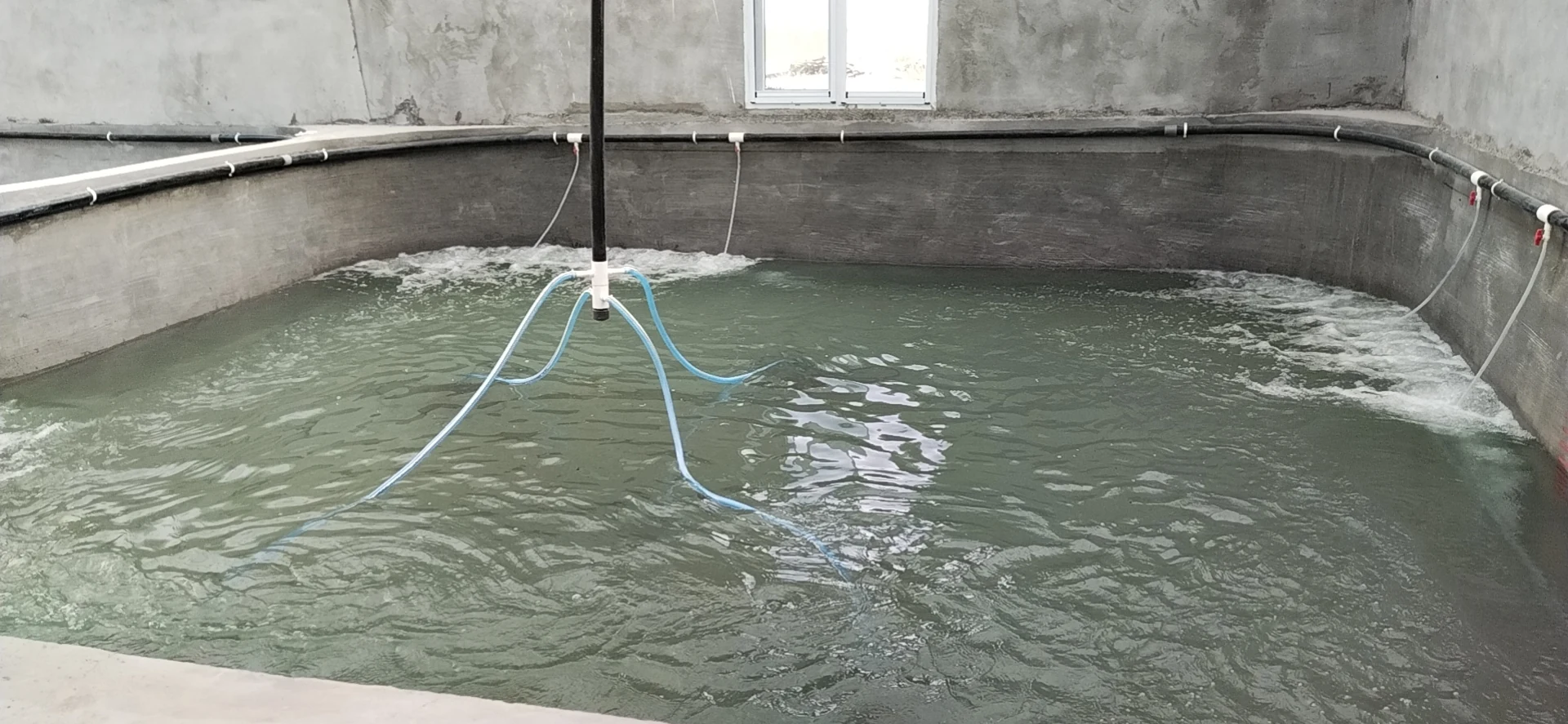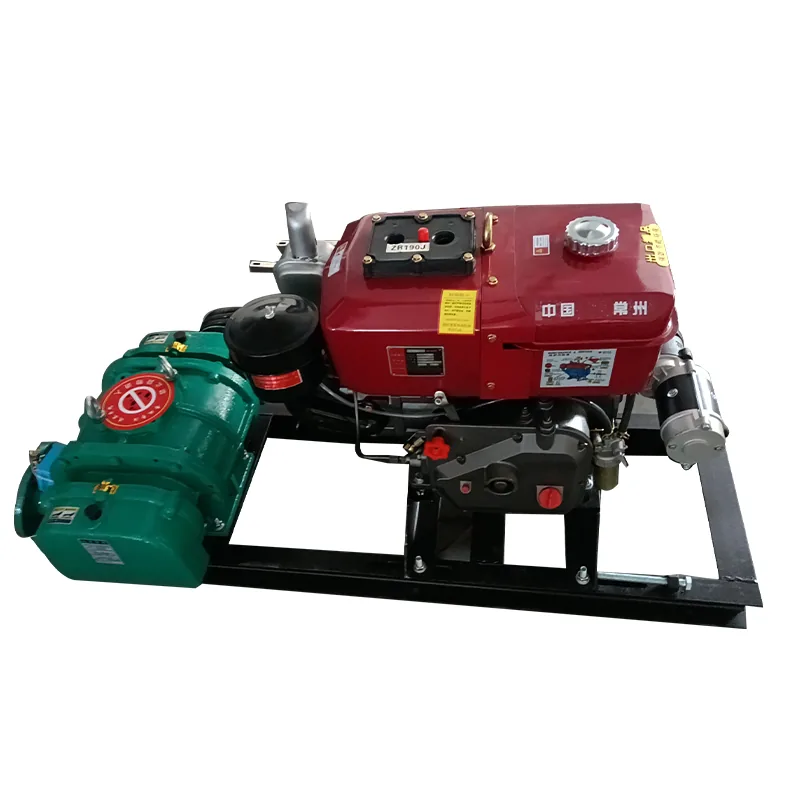
Advantages of the microporous bottom aeration roots blower
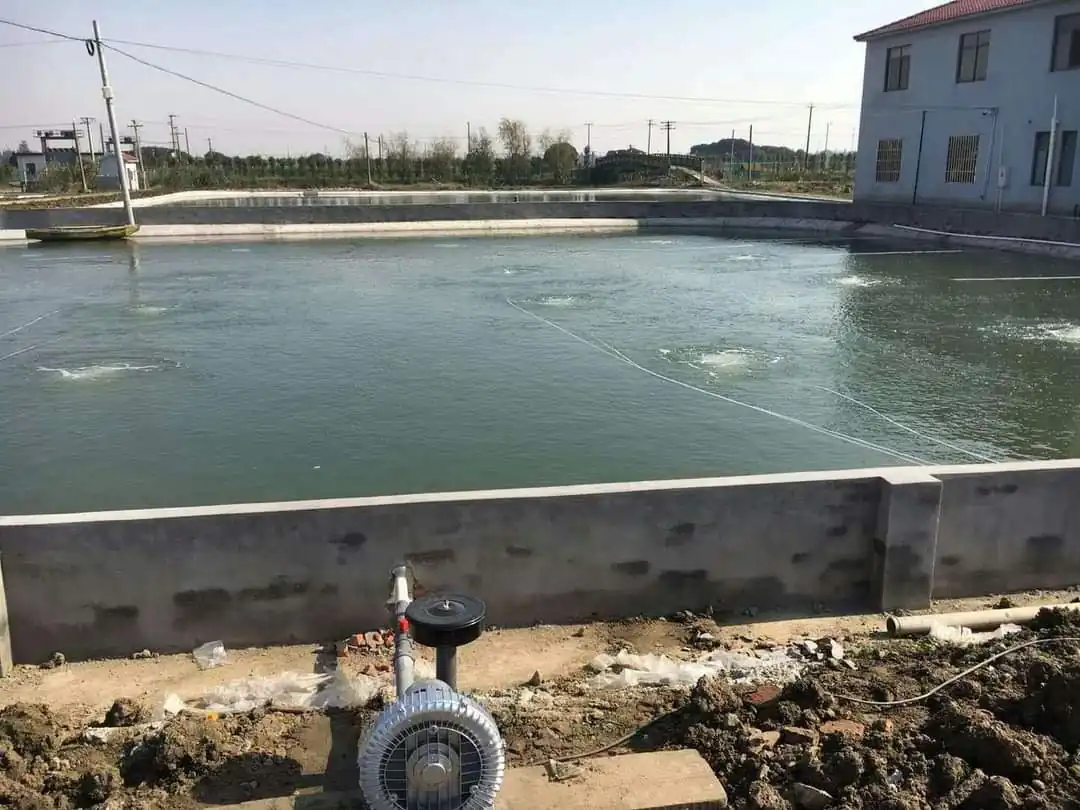
1. High efficiency and energy saving. It greatly reduces the energy consumption of the water body and can raise the dissolved oxygen of the whole farming water in a short time. One 1.5 kW roots blower delivers an oxygenation capacity equal to or greater than four 1.5 kW paddle-wheel or floating aerators.
2. Low equipment cost and 75% electricity saving. Easy to maintain: there are no moving parts in the water, so maintenance cost is low.
3. Water saving and gradual water-quality improvement. It makes it possible to farm with little or no water exchange, supporting environmentally friendly aquaculture.
4. Stronger stock and fewer disease outbreaks. It promotes green, healthy farming.
5. Higher yield and higher profit. It allows higher stocking density, higher feeding rates and more feeding frequency.
Matching standard
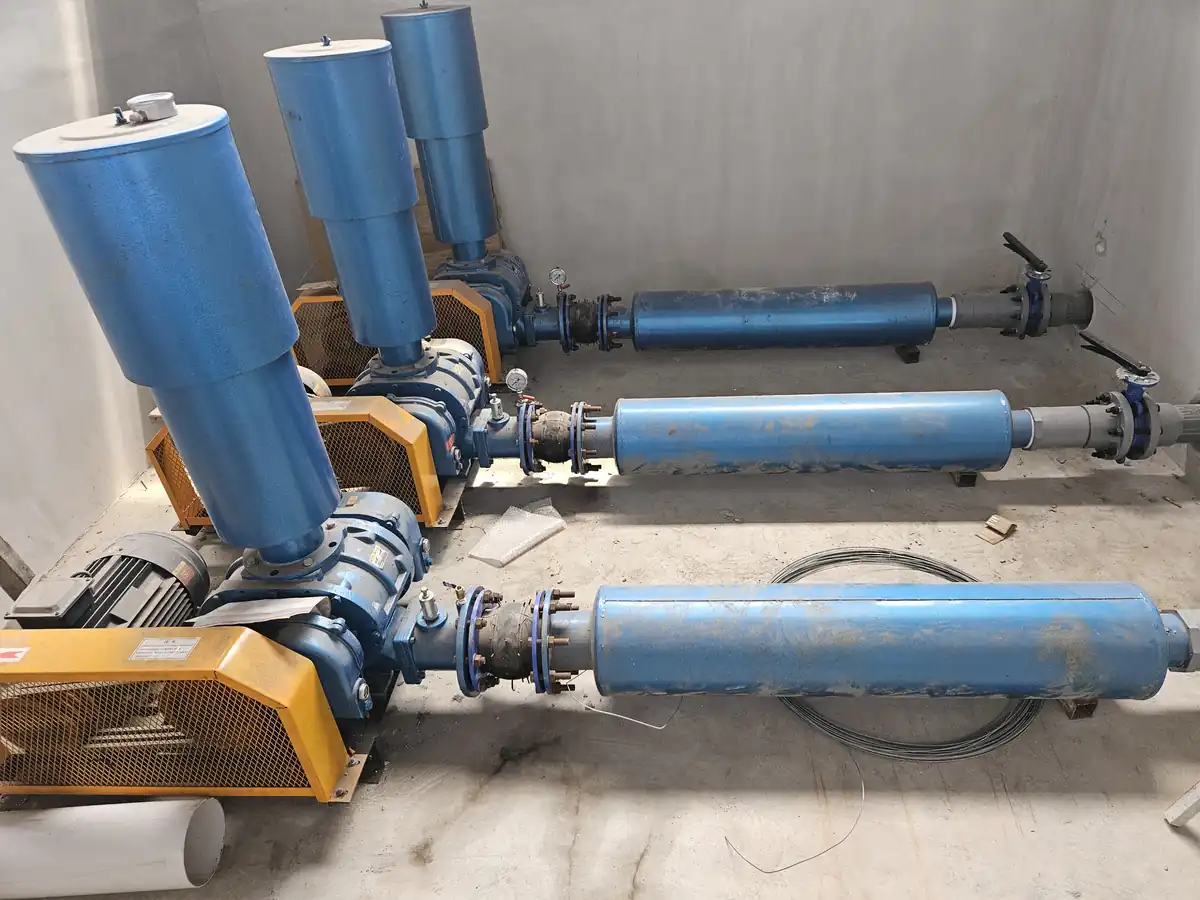
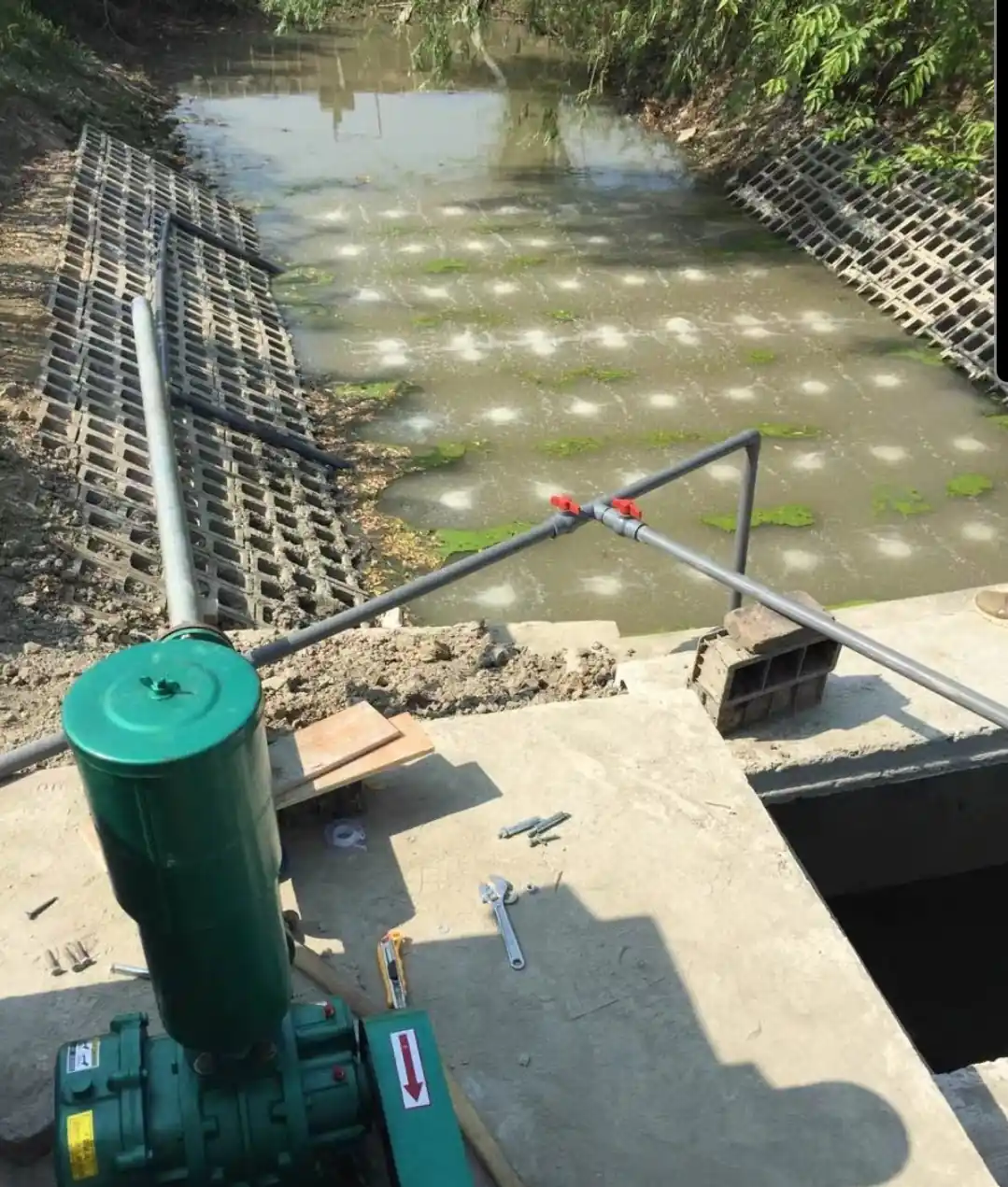
The main machine is a roots blower. System components: UPC50 main pipe, air distribution tank, saddle-type connectors, nylon tees and couplings.
Water depth and pipe selection
The microporous aeration pipe is made of polymer material; the bubbles it produces are fine and even, with a diameter of 0.3–2 mm (freshwater) / 0.5–3 mm (seawater), maximizing contact with the water - the deeper the water, the better the effect. The microporous aeration pipe is acid- and alkali-resistant, high-temperature resistant and does not harden, so it basically never fails in pond use. Different microporous pipes can be selected according to the pond water quality to avoid clogging and reduce cleaning frequency. Suitable water depth for microporous aeration pipe: 0-5 m.
Installation
(1) Fix and connect the main pipe as required, and determine the connection position of the branch pipes.
(2) Connect the blower to the main pipe.
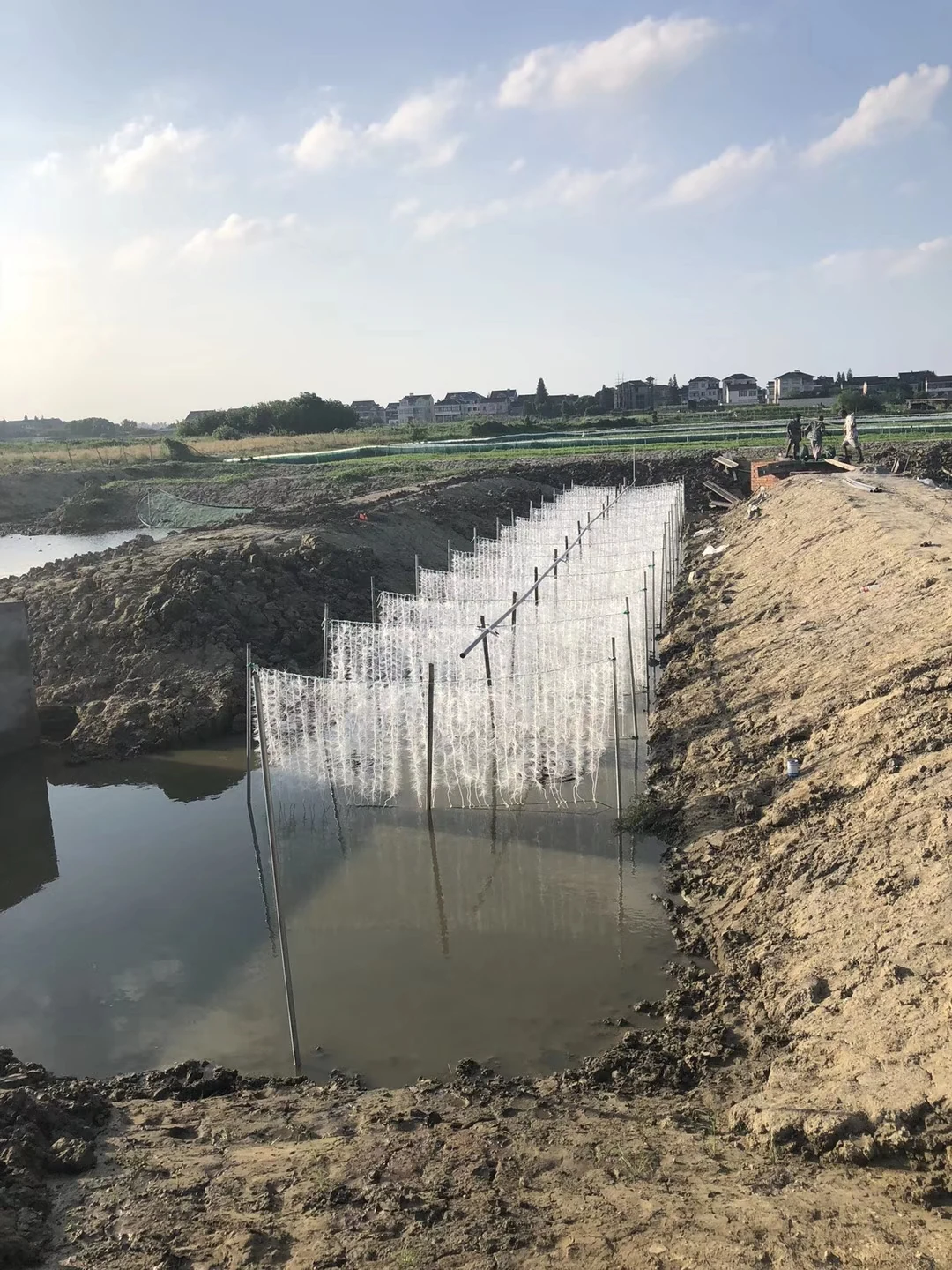
(3) Fix the branch pipes on the main pipe fittings, pull them straight and lay them out on the water surface.
(4) Install the aeration discs on the branch pipes and sink the discs to the pond bottom.
For the wider picture — blowers, tubing and floating units sized as one set — see our pond aeration systems overview.
Frequently asked questions
Q: How many paddle-wheel aerators does one roots blower replace? A: One 1.5 kW roots blower delivers an oxygenation capacity equal to or greater than four 1.5 kW paddle-wheel or floating aerators.
Q: How much electricity does bottom microporous aeration save? A: Around 75%, and because there are no moving parts in the water, maintenance cost is low.
Q: Do I need to exchange water often? A: No. The system makes it possible to farm with little or no water exchange.
Q: What bubble size does the microporous pipe produce? A: Fine, even bubbles with a diameter of 0.3–2 mm (freshwater) / 0.5–3 mm (seawater), which maximise contact with the water - the deeper the water, the better the effect.
Q: What water depth is suitable? A: 0-5 m.
Q: Does the microporous pipe clog or harden? A: The pipe is acid- and alkali-resistant and high-temperature resistant and does not harden, so it basically never fails in pond use. Different pipes can be selected according to water quality to avoid clogging and reduce cleaning frequency.
For the layout choices and the seasonal running schedule that go with this system, see microporous aeration setup: discs, strips and schedule.