Why water quality has to be controlled
Excreta and inputs left in the water can pollute the pond if not controlled. pH strongly affects fish — acidic water reduces blood oxygen capacity, and strongly alkaline water corrodes gill tissue, so even oxygen-rich water can produce hypoxia.
Dissolved oxygen targets
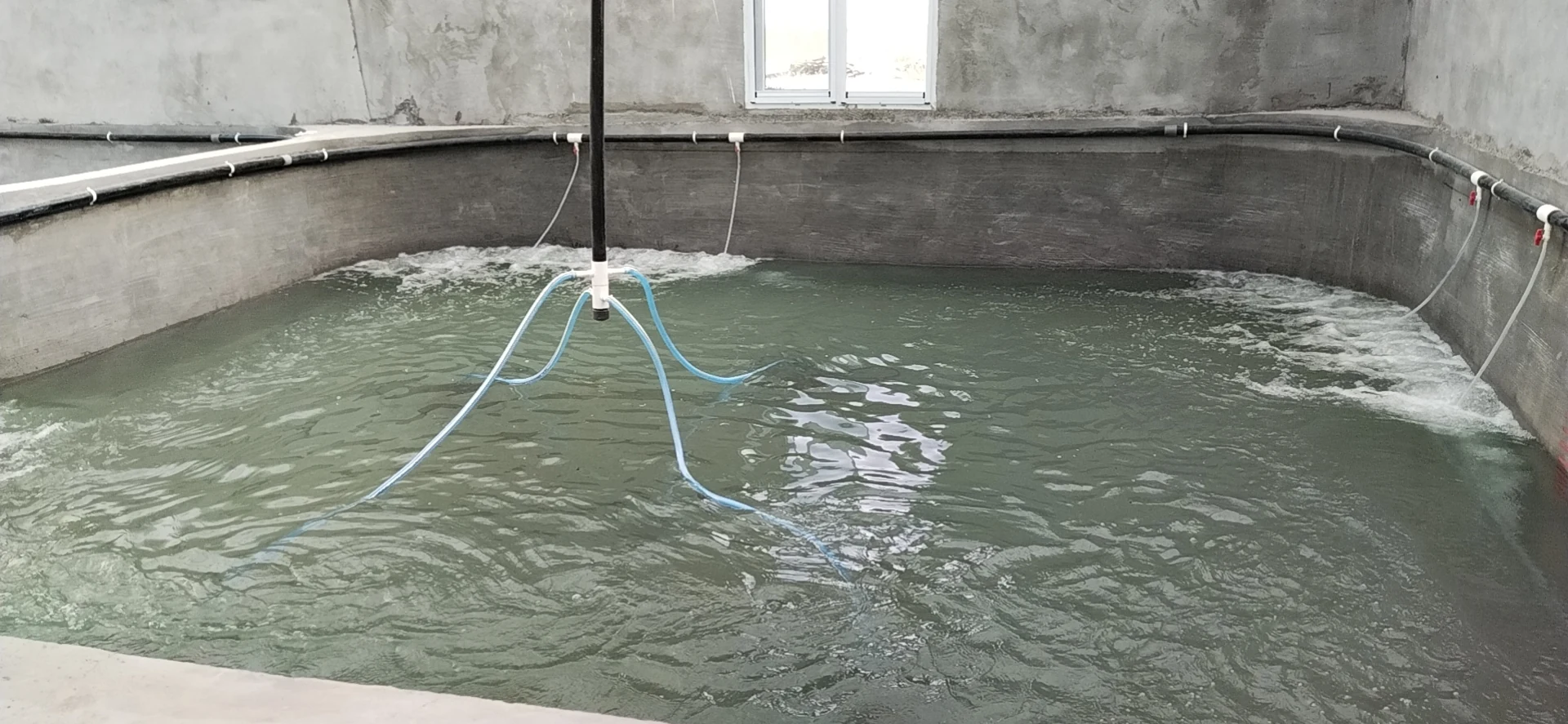
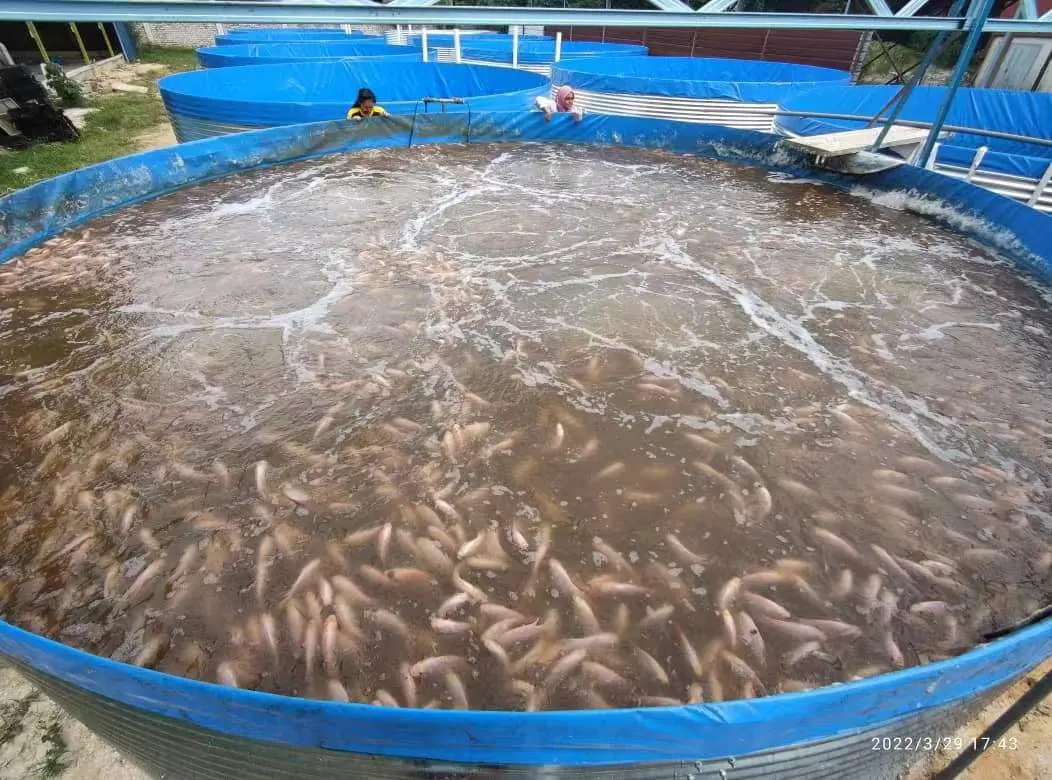
Dissolved oxygen is the core of water-quality management. Above 5 mg/L is ideal; below about 1 mg/L fish begin to "float head" (surface).
Transparency, depth and water changes
Keep transparency around 30 cm; pond depth 0.8–1.2 m in the early stage (shallow water warms faster) and 1.0–2.0 m later (not over 3.5 m); 1.5–2.0 m year-round is best, keeping the level high in hot weather. Change water about once a month, more than 20 cm each time, and start aerators promptly to prevent hypoxia.
pH: the target and what moves it
pH strongly affects water quality and aquatic life. The general target is pH 7.5–8.5, slightly alkaline. Low pH makes phosphate fertilizer fail permanently; high pH makes it fail temporarily. Higher pH increases the share of toxic ammonia; lower pH turns sulfide into extremely toxic hydrogen sulfide.
What extreme pH does to fish
Extreme pH lowers fish metabolism and blood oxygen affinity, reduces feed intake and growth; at hatch, pH near 10 can disintegrate eggs, and near 6.5 embryos mostly deform. Deep-silt or hypoxic ponds often run low pH; hot sunny weather with dense phytoplankton can push pH very high in a short time.
Adjusting pH
Remove excess silt and use quicklime when clearing ponds (e.g. 20–30 kg quicklime per 667 m² at 1–2 m depth for acidic water); aerate frequently, especially in hot seasons, to mix upper and lower layers; combine organic and inorganic fertilization; avoid using polluted water.