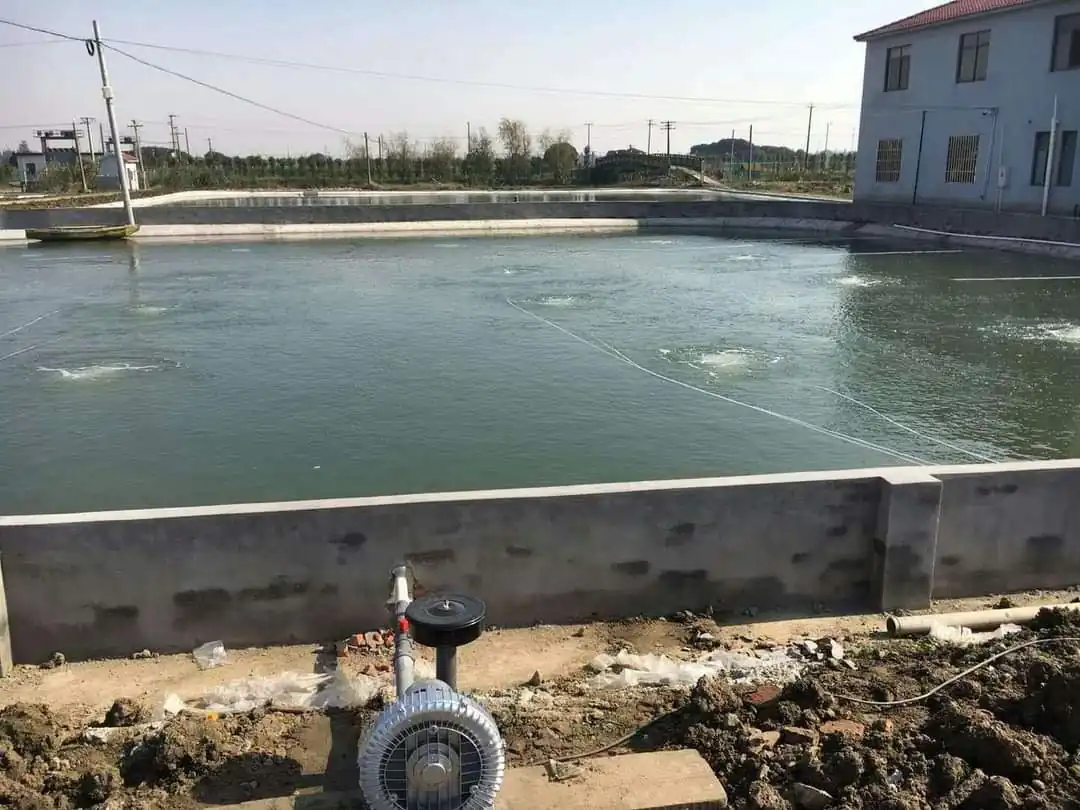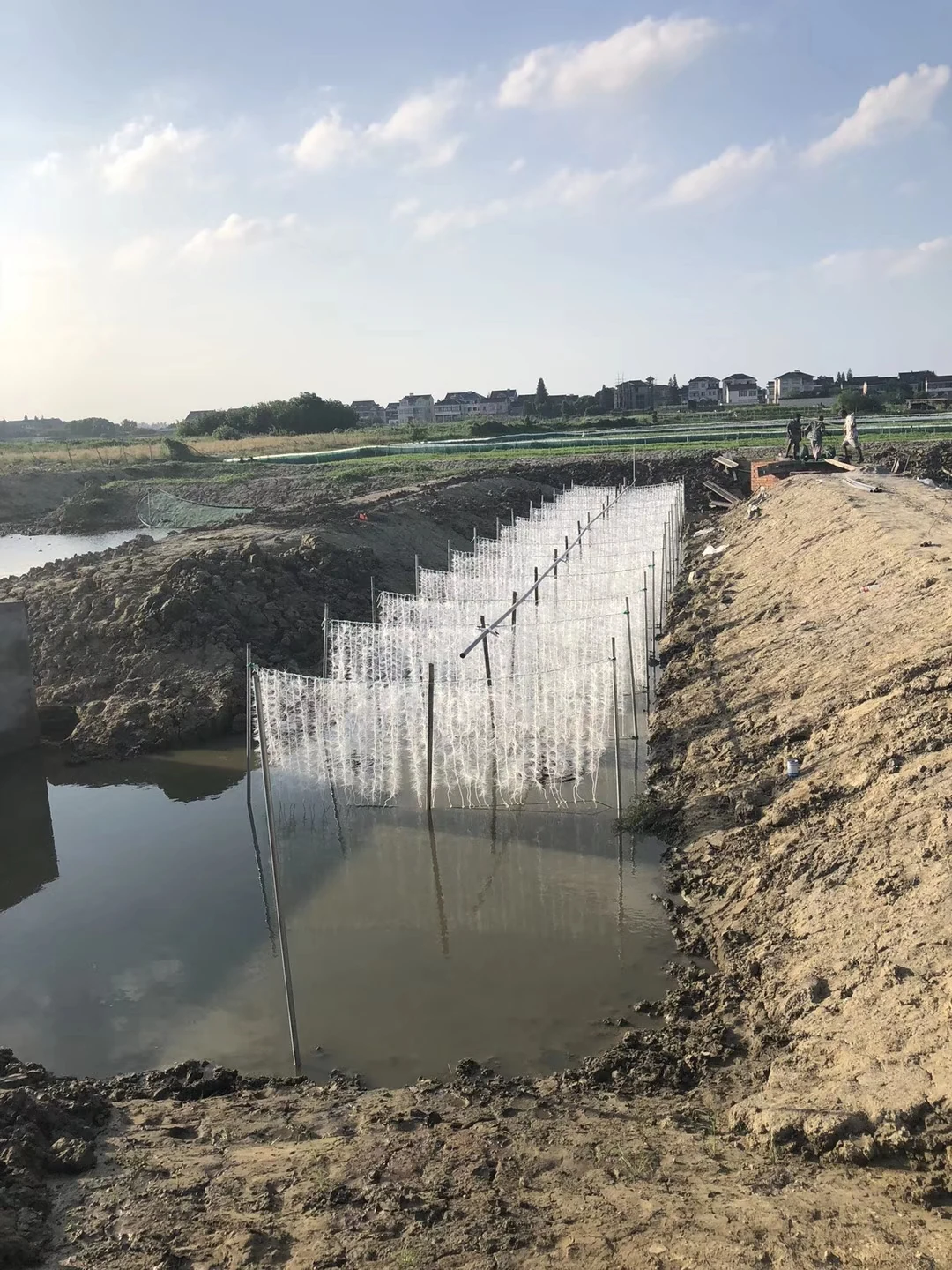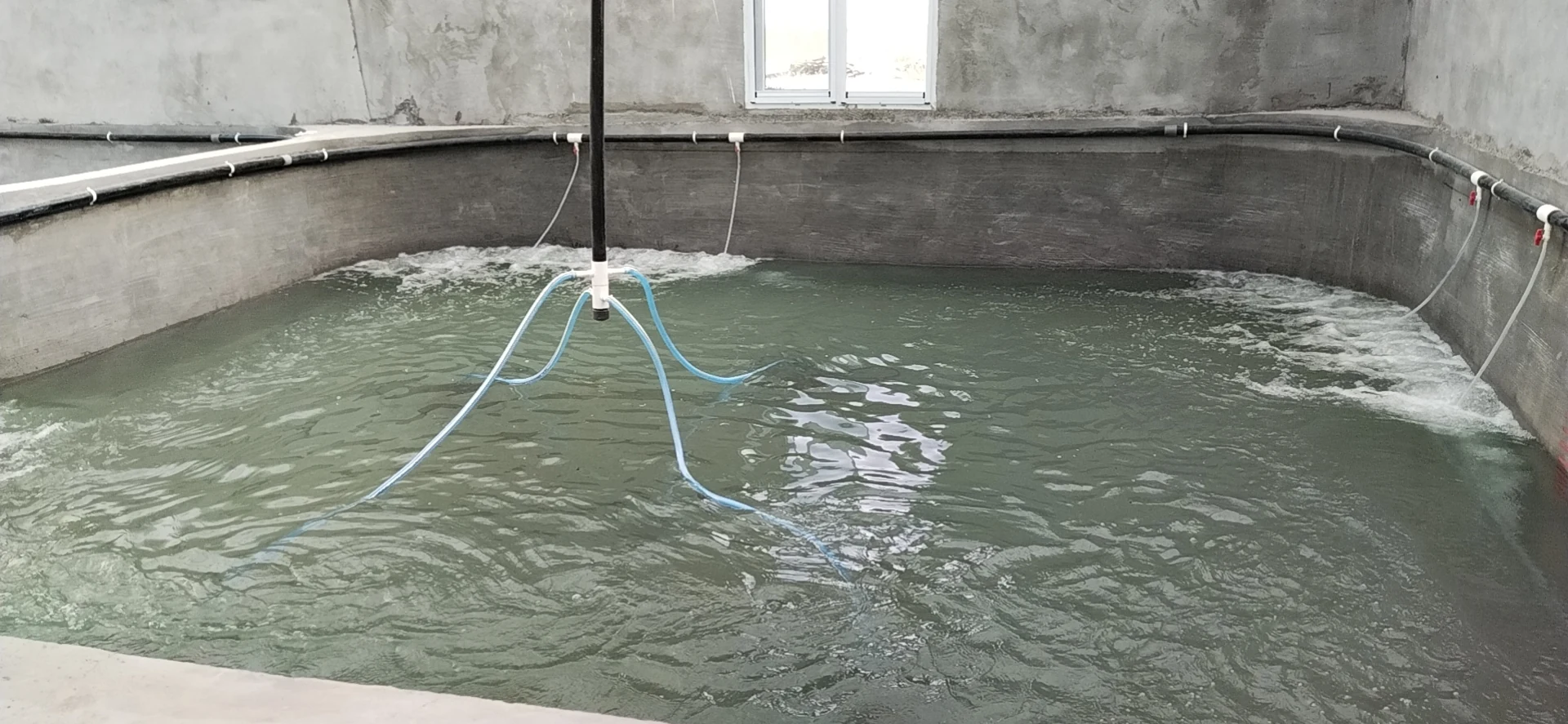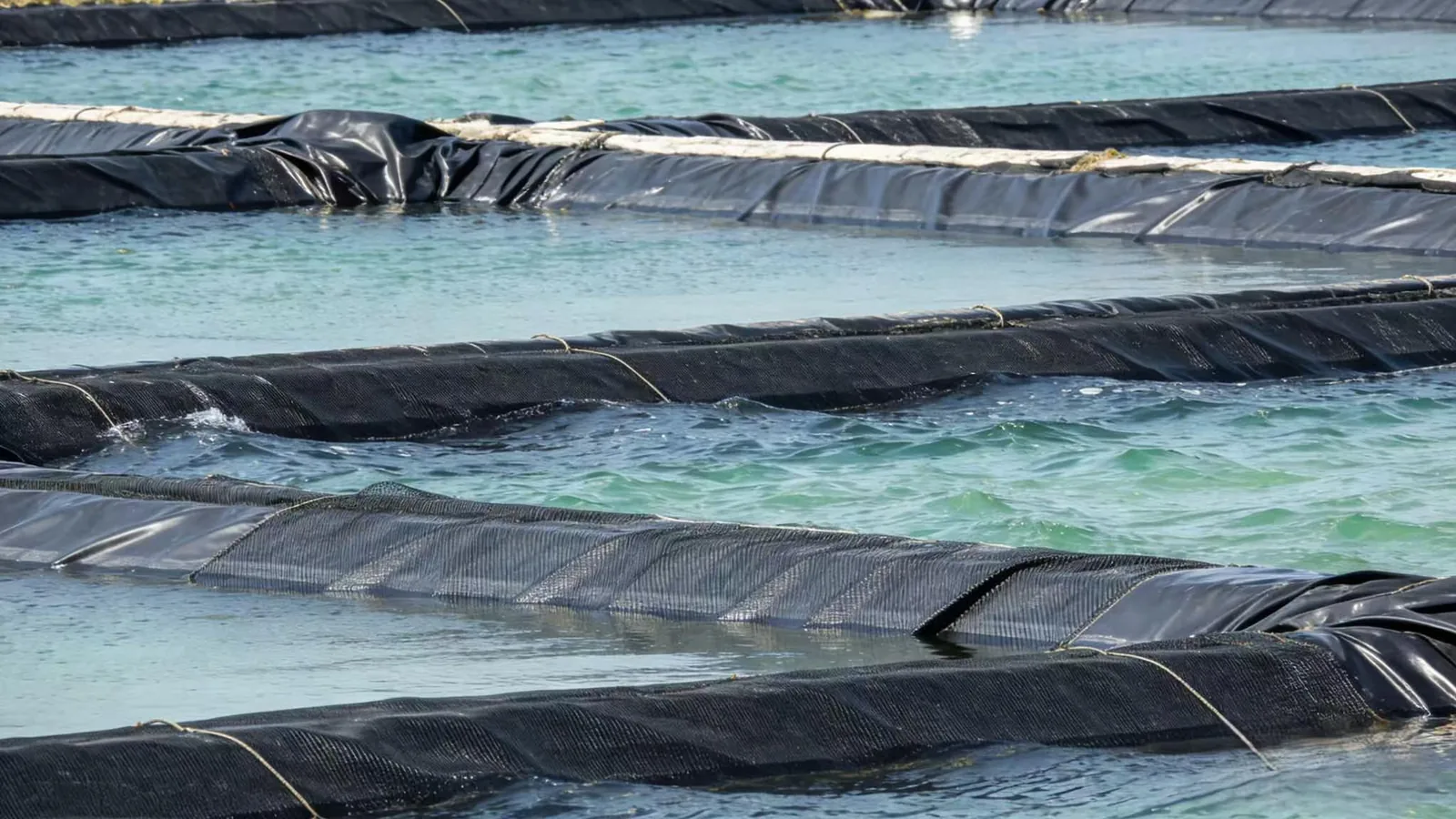
Aeration is the process of increasing the contact area between water and air — by charging air into the water or by mechanical agitation. It is an intermediate process of aerobic biological treatment: the function of the aeration tank is to let the activated sludge respire aerobically and further decompose organic matter into inorganic matter, achieving pollutant removal. The aeration tank mainly relies on aerobic microorganisms to remove COD from the water, and the growth and reproduction of those microorganisms require dissolved oxygen.
What aeration does in wastewater treatment
Aeration does three jobs at the same time:
- Oxygen supply — the basic role of aeration is to produce oxygen and promote its effective contact with the water, supplying oxygen as biological oxidation continuously consumes it and maintaining a certain dissolved-oxygen concentration in the water.
- Mixing and agitation — besides oxygen supply, aeration creates sufficient mixing and agitation in the aeration tank, promoting water circulation so that the activated sludge and the wastewater fully contact and mix.
- Suspension — aeration maintains a certain movement speed of the mixed liquor so that the activated sludge always stays suspended in it.
What the wastewater Roots blower has to deliver
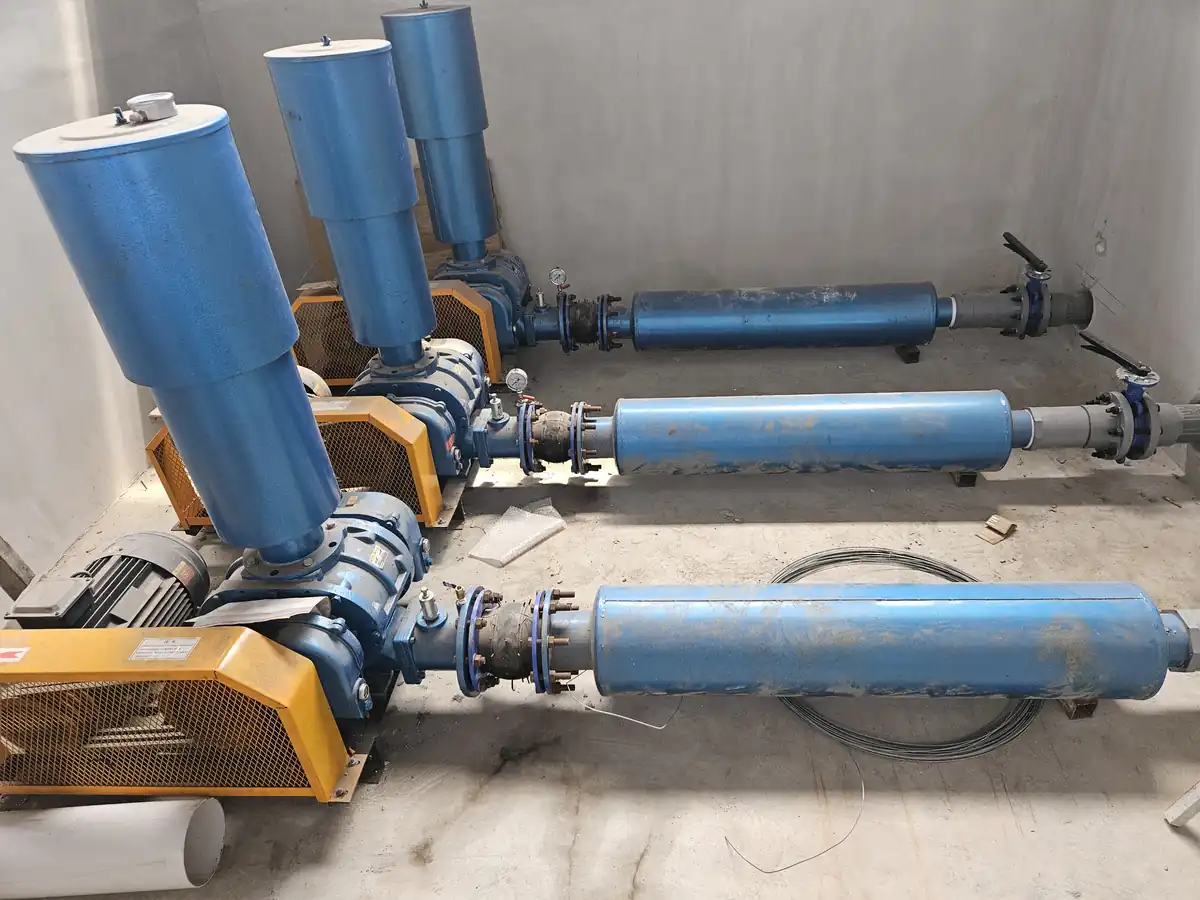
Aeration Roots blowers are used in wastewater treatment to bring the water into full contact with air — dissolving oxygen into the water and removing dissolved gases and volatile substances. In the activated sludge process, dissolved oxygen in the mixed liquor is replenished by aeration, and the wastewater Roots blower's main jobs are to supply enough dissolved oxygen for the aerobic bacteria in the water and to drive the mixing of the aeration tank's mixed liquor. It is widely used in the aeration of industrial wastewater from papermaking, textiles, printing and dyeing, electroplating, viscose fibre, food processing and fermentation brewing, as well as municipal sewage.
Bubble aeration versus mechanical aeration
The activated-sludge aeration tank can be aerated two ways: bubble aeration and mechanical aeration.
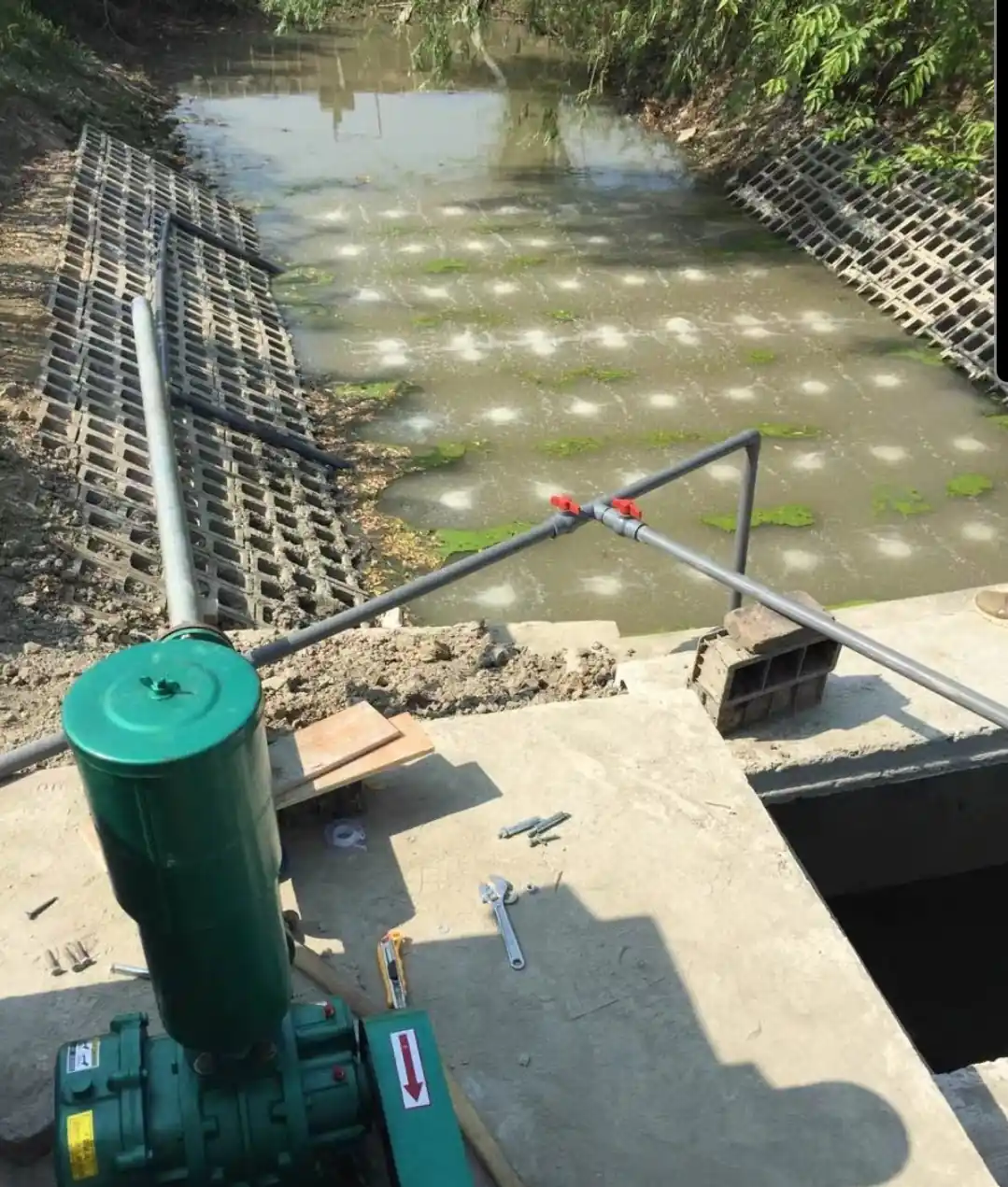
In bubble aeration, fine-bubble diffuser heads, rotary-cut diffuser heads or microporous aeration tubes are placed at or near the bottom of the aeration tank. Because fine-bubble diffusers sit deep in the water, the resistance of the diffuser pores is higher, so the Roots blower needs higher discharge pressure. Oxygen transfer efficiency is typically 10–30%.
Mechanical aeration mixes the wastewater and sludge thoroughly in mechanical equipment, continuously renewing the contact between the mixed-liquor surface and the air to raise dissolved oxygen. Oxygen enters the liquid through the mechanical action of blades, impellers, sprayers or turbines. The two aerators in common use today are surface aerators and submerged turbine aerators.
Anaerobic/aerobic operation for nitrogen and phosphorus removal
In activated-sludge treatment, an anaerobic/aerobic reactor sequence supports both nitrogen and phosphorus removal. The anaerobic section creates an active environment for denitrifying bacteria and for phosphorus-accumulating bacteria; the aerobic section drives nitrification.
For nitrogen removal, nitrifying bacteria must thrive in the activated sludge, so ammonia nitrogen is oxidized to nitrate in the aerobic zone. The secondary clarifier effluent containing nitrate then mixes with sewage in the anaerobic zone, where anaerobic microorganisms use the oxygen bound in nitrate to break down organic matter, releasing nitrogen as gas. The key is promoting full nitrification — high MLSS, sufficient air volume and temperature help; nitrification slows markedly in winter.
For phosphorus removal, under strictly anaerobic conditions (no oxygen, no nitrate) phosphorus-accumulating bacteria release inorganic phosphorus to obtain energy; in the following aerobic tank they take up more phosphorus than they released, removing it from the water.
The two mechanisms need different conditions
The same anaerobic/aerobic operation can remove both nitrogen and phosphorus — but the two mechanisms require different conditions: anaerobic (no oxygen, but nitrate present) for denitrification, and strictly anaerobic (no oxygen, no nitrate) for phosphorus release.
For reliable, maintenance-friendly aeration air, a wastewater Roots blower remains one of the most practical choices.