Spring weather changes quickly: water temperature rises gradually while day-night temperature differences stay large. This is a critical period for aquatic animals to build up condition, prevent disease and improve survival and quality. In early spring, different time points call for different measures — this guide covers the key steps from pond preparation through stocking to the grow-out stage.
1. Pond cleaning
Remove as much accumulated silt as possible, then disinfect with quicklime or bleaching powder to kill parasite eggs and other pathogens. Reinforce the pond banks at the same time.
2. Disinfection and water preparation
Early spring is the key period for hatching and stocking. Fifteen days before stocking, spread dissolved quicklime slurry over the whole pond to kill wild fish and harmful bacteria. Seven days before stocking, fertilize the water so rotifers and other natural food are available for the fry.
During hatchery work, disinfect fish fertilized eggs, farming equipment and culture water. Purify incoming water with a multi-stage process: large-organism isolation, primary disinfection and settling, secondary disinfection and settling, UV disinfection, organic-matter removal and water storage. This keeps broodstock and seed-fish water free of pathogens and reduces organic load. Water must be tested for pathogens and water quality before it enters the production area — water that contains pathogens or fails water-quality standards must not be used.
3. Stocking the fry
Buy fry from a regular hatchery and only stock robust, uniform-sized fry. Soak fry in 1–4% salt water for 5–10 minutes before release. Let the fry bags float in the pond to adapt to the water temperature, then release slowly. Start feeding as early as possible after stocking.
4. Water quality in early spring
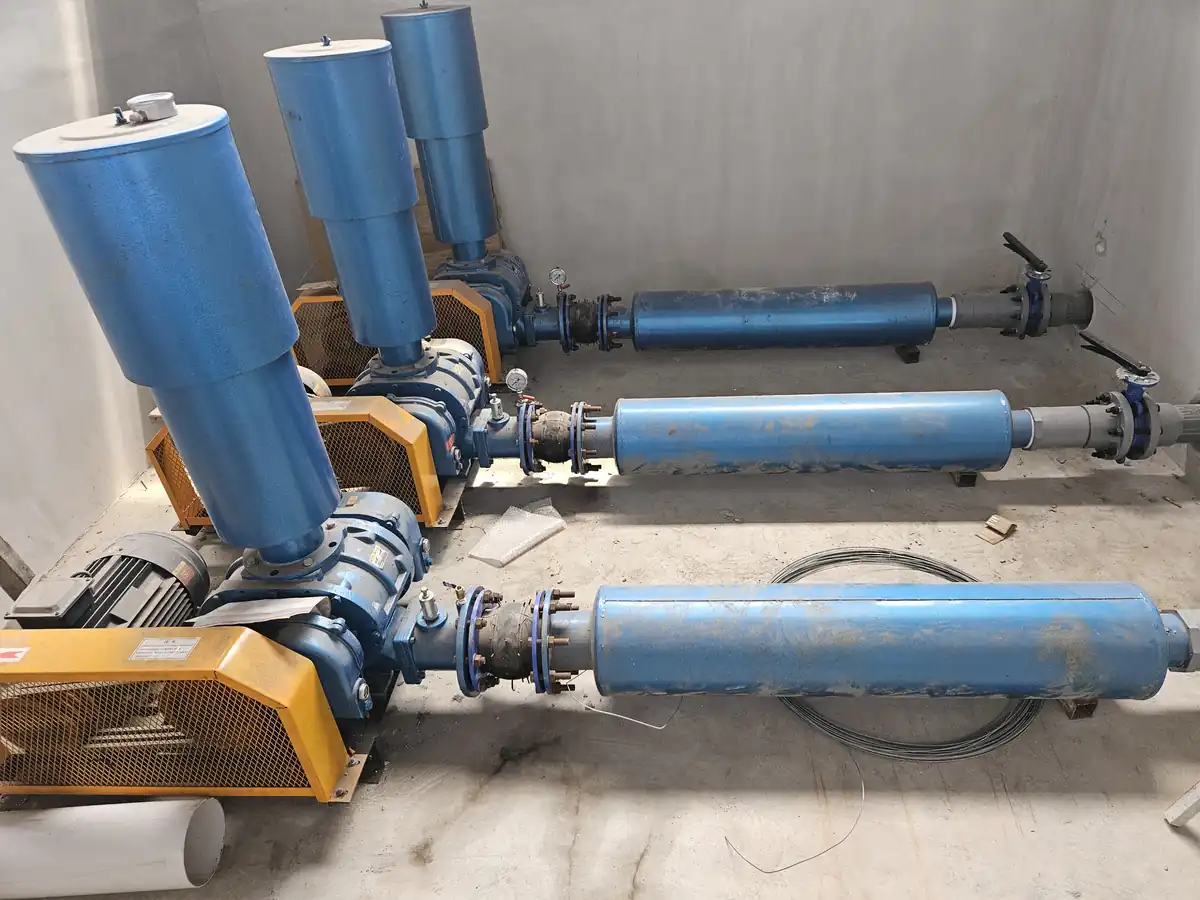
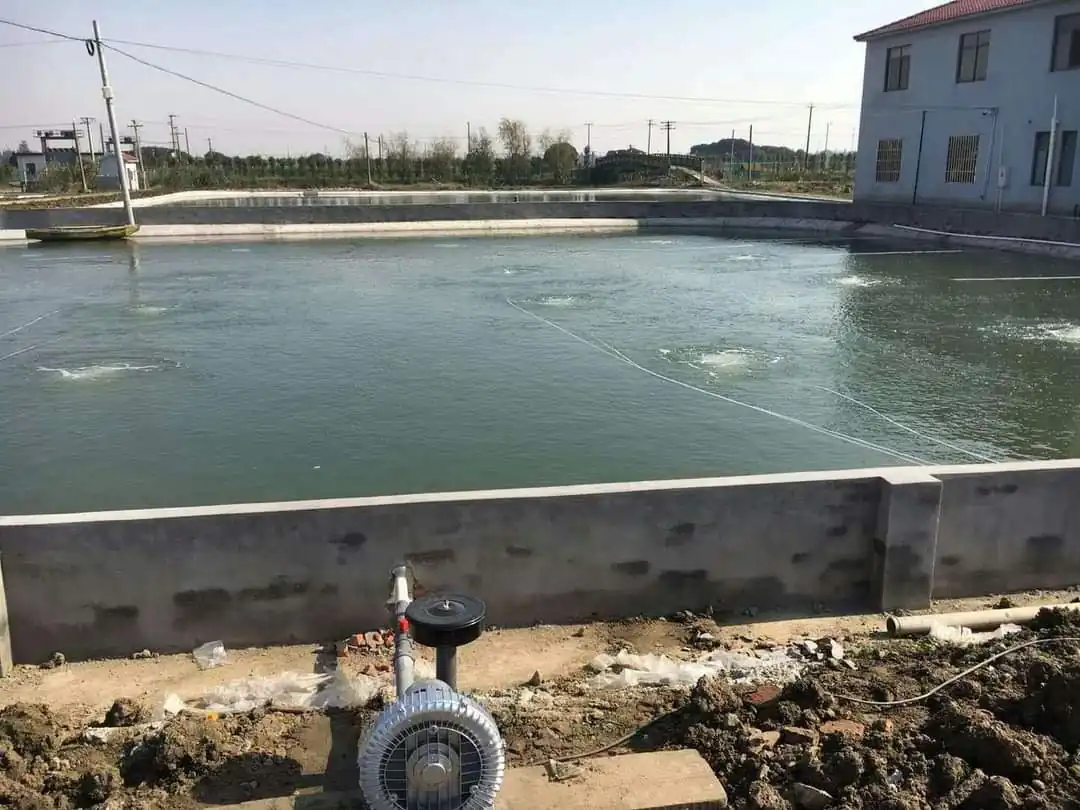
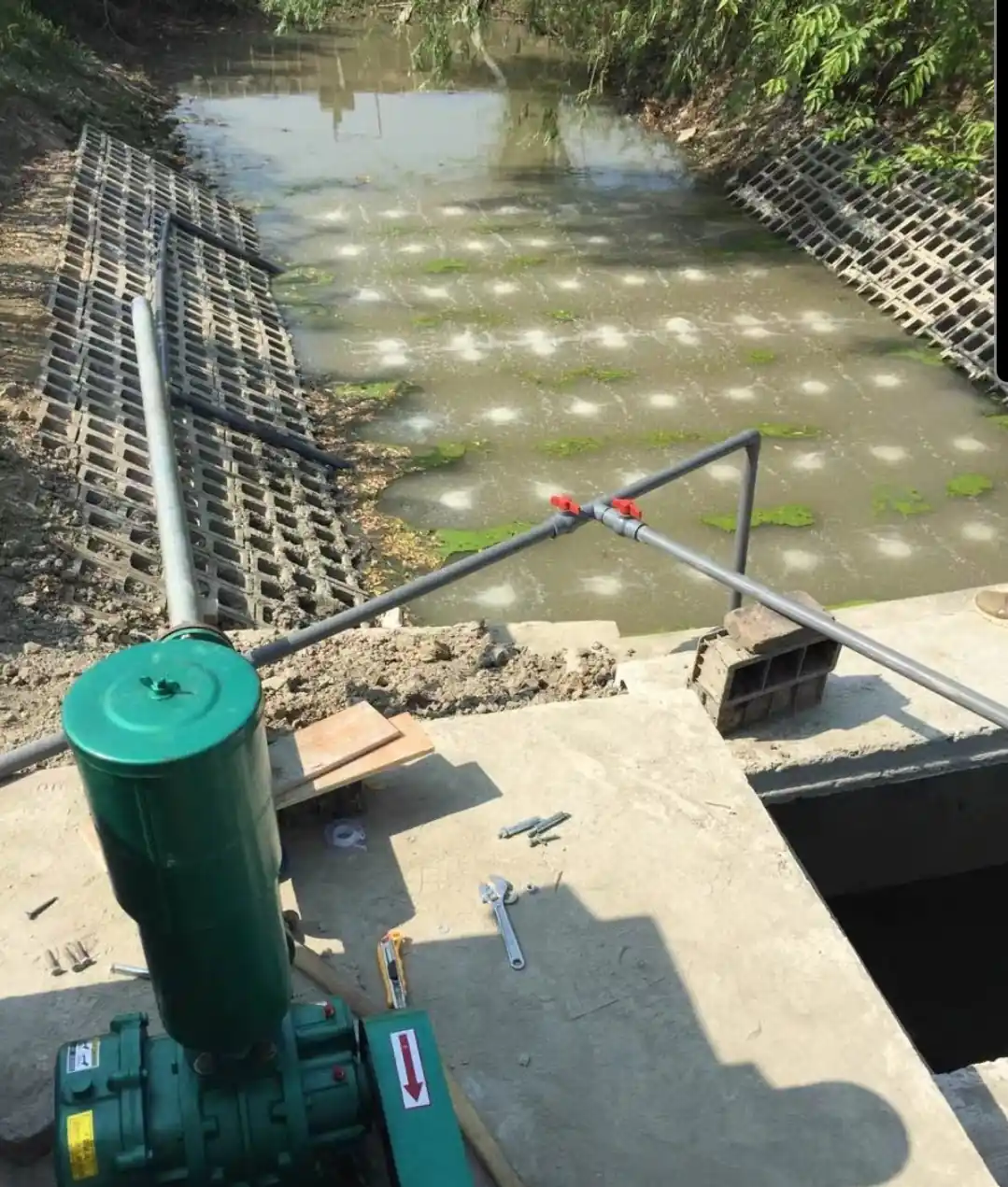
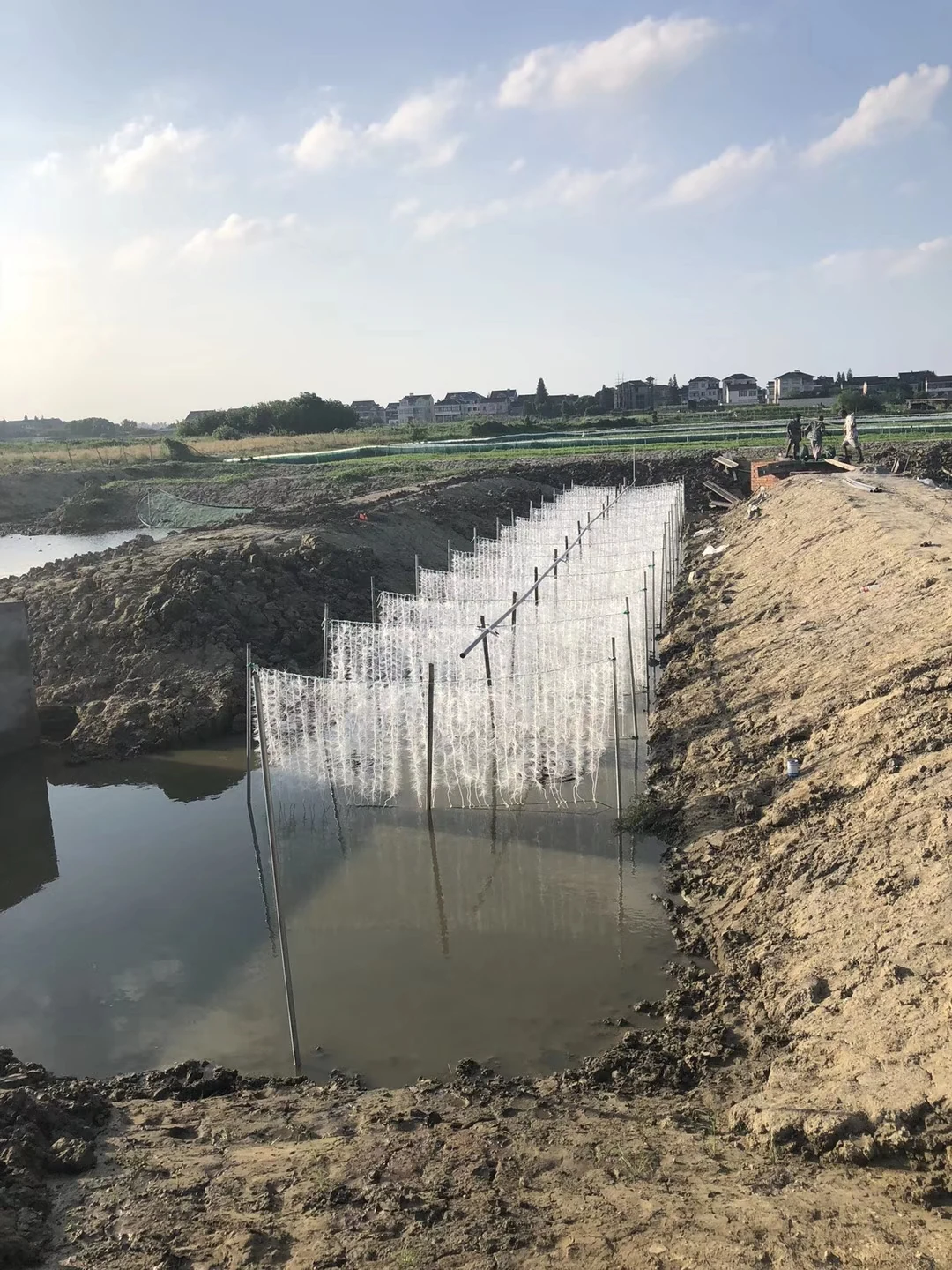
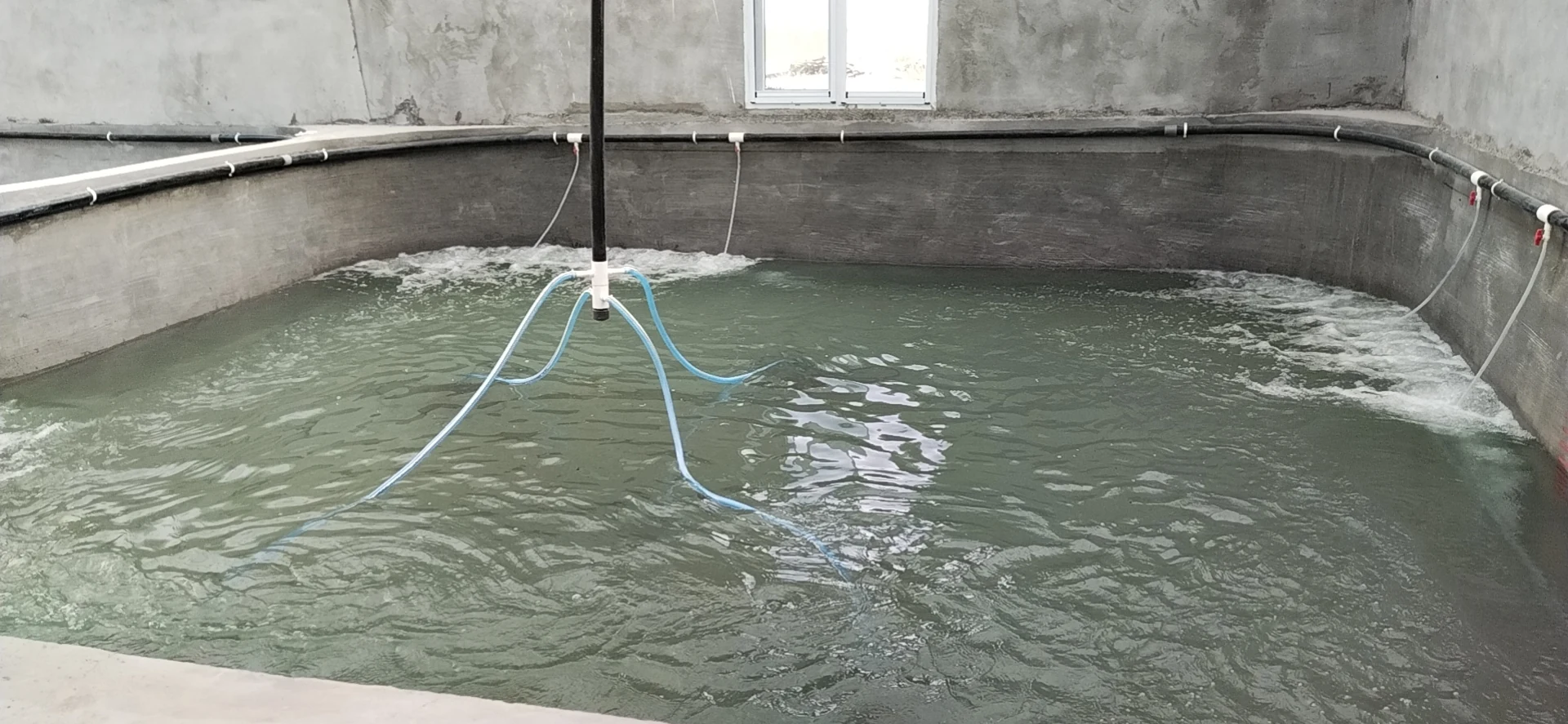
Keep pond depth around 1 m in early spring and maintain lively, rich, clear water. Watch for common spring diseases and parasites. If continuous overcast weather suddenly changes water quality, change or top up water in time and run a Roots blower with nano aeration tubing to re-oxygenate and improve the water.
5. Measures during the grow-out stage
Increase dissolved oxygen.
Turning over the bottom water releases harmful substances such as ammonia nitrogen, nitrite and hydrogen sulfide. Increase the running frequency of your aerators — run the Roots blower more often with bottom microporous aeration tubing to avoid oxygen depletion caused by deteriorating water.
Reduce stocking density.
Thin out stock by splitting ponds (transferring grown fish) and marketing market-size fish earlier, lowering the fish load per pond. Handle fish gently to avoid injury and stress.
Feed sensibly.
For densely stocked grow-out fish, reduce feed slightly and add immune-boosting feed additives to the diet.
6. Disease prevention
Common early-spring fish diseases include trichodiniasis (wheelworm), ichthyophthiriasis (white spot) and saprolegniasis (water mold). For trichodiniasis, soak fry in salt water for 3–10 minutes or mix parasite-control additives into the feed. For white spot, soak in 3–5% salt water or use appropriate treatments. For water mold, apply pond-wide treatments as recommended.